
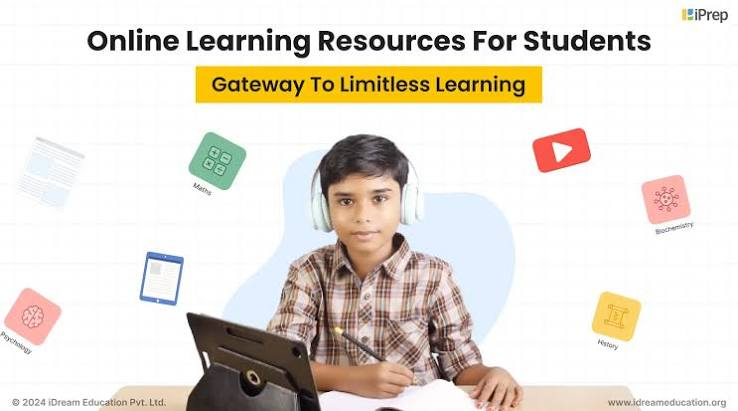
The internet has become one of the most useful places for discovering information, learning new skills, comparing services, and connecting with communities around the world. However, with so much content available, finding reliable and useful resources can sometimes feel overwhelming. Whether you are researching a topic, looking for entertainment, exploring online platforms, or simply trying to learn something new, having a practical approach can save time and improve your experience. Even when exploring specialized websites such as situs bro138, it is important to approach online resources thoughtfully, check information carefully, and understand how different platforms work before using them.
Understand What You Are Looking For
Before opening a search engine or browsing through websites, take a moment to define your purpose. A clear objective makes online research much easier because you can focus on information that directly relates to your needs.
For example, someone searching for a beginner-friendly tutorial should use different search terms from someone conducting detailed academic research. Similarly, a person looking for product reviews may want firsthand experiences, while someone researching a historical subject may need information from established educational or institutional sources.
Start by writing down the main question you want to answer. Then identify a few related keywords that describe your topic. This simple preparation can help you avoid spending hours browsing unrelated pages.
Use Specific Search Terms
One of the most practical ways to explore online resources efficiently is to use specific search phrases. Broad searches often produce millions of results, many of which may not be relevant to your purpose.
Instead of searching for a general phrase such as “online learning,” consider a more detailed query like “free beginner photography courses” or “how to improve digital marketing skills.” Adding specific terms helps search engines understand what you actually need.
You can also experiment with different combinations of keywords. If the first search does not provide useful results, change the wording rather than immediately assuming that the information is unavailable. Sometimes the right resource is simply described using different terminology.
Evaluate the Quality of Information
Not every website provides accurate or trustworthy information. One of the most important skills for online exploration is learning how to evaluate the quality of what you find.
Begin by checking who created or published the information. Look for an identifiable author, organization, or company when appropriate. Consider whether the source appears knowledgeable about the subject and whether it provides evidence to support its claims.
You should also pay attention to the date of publication. Some topics change quickly, especially technology, software, regulations, and current events. An older article may still be useful for background information, but it may not accurately reflect the latest developments.
If a claim seems important, compare it with information from multiple reputable sources. Cross-checking can help you identify errors, outdated details, or opinions presented as facts.
Learn to Distinguish Facts From Opinions
Online content often combines factual information with personal opinions. Being able to distinguish between the two is essential.
A factual statement can usually be supported by evidence, data, official documentation, or reliable references. An opinion, on the other hand, reflects an individual’s perspective or interpretation. Neither is automatically useless, but they serve different purposes.
For example, a product review may explain a user’s personal experience. That experience can be valuable, but it does not necessarily represent everyone’s experience. Similarly, a blog post may offer useful advice while still reflecting the author’s personal preferences.
When reading online, ask yourself whether the writer is presenting evidence or simply expressing a viewpoint. This habit encourages more thoughtful and balanced decision-making.
Explore Multiple Types of Resources
The internet offers far more than traditional articles and blog posts. Depending on your goal, you can explore videos, podcasts, online courses, digital libraries, forums, documentation, research papers, discussion communities, and interactive tools.
Different formats are useful for different learning styles. A complicated technical concept may be easier to understand through a video demonstration. A detailed subject may be better suited to a written guide that you can read at your own pace. Podcasts can be convenient when you want to learn while traveling or completing routine tasks.
Experimenting with different formats can make online exploration more engaging. It can also help you discover resources that you might otherwise overlook.
Use Trusted and Official Sources
When you need accurate information about a product, service, organization, or technical platform, it is often best to begin with the official source. Official websites can provide documentation, policies, announcements, and instructions that may not be available elsewhere.
For technical subjects, official documentation is particularly valuable. While third-party tutorials can make complicated topics easier to understand, official documentation usually provides the most authoritative information about how a service or tool is designed to work.
This does not mean that every official source is perfect for every question. Instead, it is a good starting point that can be supplemented with independent guides, user experiences, and expert analysis.
Be Careful With Online Reviews
Reviews can be extremely helpful when exploring online resources, products, or services, but they should be approached with a critical mindset.
Look for patterns rather than relying on a single review. If many independent users mention the same advantage or problem, that information may deserve more attention. However, a review that makes extreme claims without providing meaningful details should be treated cautiously.
It is also useful to consider when the review was published. A service may have changed significantly since an older review was written. New features, policy changes, or improvements can make previous opinions less relevant.
Balanced reviews that discuss both advantages and disadvantages are often more useful than content that appears excessively promotional.
Protect Your Personal Information
Exploring online resources should always include attention to privacy and security. Avoid sharing sensitive personal information unless you are confident that a website is trustworthy and that the information is genuinely necessary.
Be cautious when websites request details such as passwords, financial information, identification documents, or other private data. Check the website address carefully and look for appropriate security indicators before entering sensitive information.
Using strong, unique passwords and enabling two-factor authentication where available can provide additional protection. It is also wise to keep your operating system, browser, and security software updated.
Good online habits do not require advanced technical knowledge. Simple precautions can significantly reduce unnecessary risks.
Recognize Misleading Content
The internet contains a mixture of useful information, advertising, speculation, misinformation, and deliberately misleading content. Learning to recognize warning signs is therefore an important part of online research.
Be cautious about headlines that make dramatic promises or attempt to create unnecessary fear. Content that claims to have a secret solution, guaranteed result, or unbelievable opportunity may require additional verification.
Pay attention to the language used by the source. Excessive urgency, emotional manipulation, and unsupported claims can be signs that the content is designed to persuade rather than inform.
Before accepting an important claim, look for supporting evidence and compare it with other reliable sources.
Organize Useful Information
Finding good resources is only the first step. Organizing them effectively can make future research much easier.
You can create browser bookmarks for websites you frequently use. For longer projects, consider maintaining a digital note with useful links, summaries, and key points. Organize information into categories so that you can quickly find what you need later.
If you are conducting research for work or study, record the source and date whenever you save important information. This makes it easier to return to the original material and verify details.
A simple organizational system can prevent the frustration of repeatedly searching for information you have already discovered.
Avoid Information Overload
Having access to unlimited information does not mean you need to consume all of it. One of the biggest challenges of online exploration is information overload.
When researching a topic, establish a clear stopping point. Decide what information you need and focus on finding enough reliable material to meet your objective.
For example, if you are comparing several options, create a short list of criteria before you begin. This allows you to evaluate resources based on relevant factors rather than becoming distracted by every new piece of information you encounter.
Quality is usually more valuable than quantity. A few reliable sources can be more useful than dozens of random pages.
Use Online Communities Wisely
Forums and online communities can provide practical insights that are difficult to find in traditional articles. People often share personal experiences, troubleshooting advice, recommendations, and creative solutions.
However, community discussions should not automatically be treated as authoritative. Individual users may be mistaken, inexperienced, or influenced by personal preferences.
The best approach is to use community discussions as a source of ideas and real-world perspectives. When the information is important, verify it through reliable documentation or independent sources.
Respectful participation is also essential. Asking clear questions, providing context, and following community rules can help you receive better answers.
Develop a Habit of Continuous Learning
The internet changes constantly, which means online exploration is not a skill you master once and forget. New websites, platforms, tools, and information sources appear regularly.
Developing a habit of continuous learning can help you become more efficient over time. Pay attention to which sources consistently provide useful information. Learn how to use advanced search features when necessary. Experiment with different research methods and keep track of techniques that save you time.
The more you practice, the easier it becomes to identify useful resources quickly and ignore distractions.
Conclusion
Exploring online resources effectively requires more than simply entering keywords into a search engine. It involves defining your goals, using specific searches, evaluating sources, comparing information, protecting your privacy, and recognizing the difference between evidence and opinion.
The most successful online explorers are not necessarily those who visit the largest number of websites. Instead, they are people who know how to identify valuable information, assess its reliability, and use it responsibly.
By developing practical habits such as checking sources, organizing useful information, exploring different formats, and avoiding information overload, you can make your online experience more productive and enjoyable. Whether you are learning a new skill, researching an important subject, comparing services, or simply discovering something interesting, a thoughtful approach will help you get more value from the enormous amount of information available online.
